

Introduction
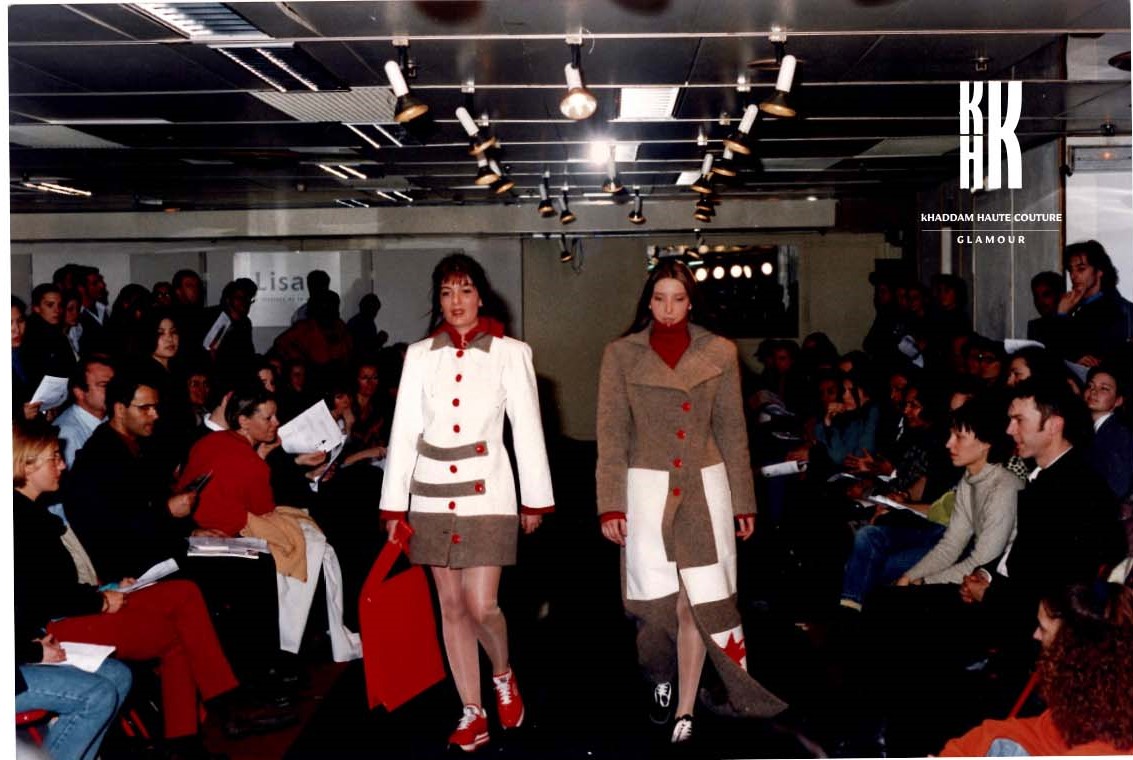
Fashion is more than garments and silhouettes—it is a language of identity, emotion, and craftsmanship. In this interview, fashion designer Kamal Khaddam shares his journey into haute couture, his vision for Syrian fashion, and the philosophy behind his creations.
Tell us about yourself and how your journey into fashion design began
My passion for art and beauty began at an early age. I was always drawn to details, lines, and colors. Over time, I realized that this passion could become a professional path, so I decided to study fashion and textile design in Paris, followed by professional training in several renowned international fashion houses. There, my artistic vision took shape, and I gained deep expertise in haute couture before eventually establishing my own brand.
Which direction do you focus on in the world of fashion design?
I primarily work in haute couture, with a strong focus on bridal and evening gowns, as well as custom-made designs. I believe that every creation should be a unique, one-of-a-kind piece, because every woman has a distinct personality that deserves to be reflected in what she wears.
Why did you choose to settle in Syria and launch your project from Baniyas?
Syria represents the roots of my creative imagination and my primary source of inspiration. Despite my rich European experience, I felt a strong sense of responsibility toward my homeland and a desire to transfer the knowledge and expertise I acquired abroad back to Syria. Choosing Baniyas as my base was a conscious decision, reaffirming my belief that creativity is not confined to one place, and that we can produce haute couture of international standards from within Syria.
How do you view the fashion design scene in Syria today?
Despite the challenges the sector has faced, I believe Syria is rich in genuine talent. There is a new generation of designers with great passion and artistic sensibility, but they need support, training opportunities, and platforms that allow them to grow and engage with global fashion experiences. The future is promising if the right environment is provided.
What qualities should a fashion designer possess?
Fashion design requires a balance of talent, education, and discipline. A designer must have a refined aesthetic sense, great attention to detail, and a deep understanding of the female form and personality. Patience, commitment, and continuous awareness of global fashion developments are also essential to succeed in this field.
How do new design ideas emerge and come to life?
Ideas emerge from many sources: a woman walking down the street, a piece of music, a painting, or even an emotional state. Once an idea takes shape, the technical process begins—selecting fabrics, sketching the design, experimenting, and then executing the piece through meticulous handcrafting in the atelier until the final form of the gown is achieved.
How do you design a special gown for a woman or a young girl?
The process always begins with dialogue and listening. I make sure to understand the woman’s or girl’s taste, personality, and the nature of the occasion. I then translate these elements into a design that enhances her beauty, provides comfort, and gives her confidence—so she feels that the gown truly represents her.
When creating a new collection, who do you design for?
I always design with the confident woman in mind—one who seeks distinction rather than imitation. I focus on achieving balance between beauty and comfort, boldness and elegance. I design for a woman who understands her identity and uses fashion as a means of self-expression.
Is there a difference between European and Syrian tastes in evening gowns?
Yes, there is a relative difference influenced by cultural backgrounds. European women tend to prefer simplicity and clean lines, while Syrian and Arab women often favor richer details and elaborate embroidery. However, global fashion tastes are increasingly converging today, while still preserving each culture’s unique identity.
What new ideas are you currently working on?
I am currently developing new collections that combine contemporary silhouettes with hand embroidery in a more modern approach. I am also expanding the Banbina line dedicated to girls’ dresses. Additionally, I aspire to create designs with a global spirit that can reach a wider audience beyond Syria.
Conclusion
Fashion designer Kamal Khaddam represents an artistic experience that affirms haute couture is not merely about fabric and thread, but a human and artistic language that expresses identity and grants women a presence worthy of their spirit.